 Do you want to go to
Statkraft United States?
Do you want to go to
Statkraft United States?

Sustainability at Statkraft
Sustainability is fundamental to how we create value, manage risk and deliver renewable energy.
Sustainability is fully integrated in how Statkraft operates, from early project development to asset management and market activities. We develop and deliver renewable energy while working to minimise negative impacts and create long-term value for society.
Statkraft’s sustainability strategy sets the direction for how we integrate sustainability into our business, from project development and operations to procurement and market activities. Delivery of the strategy is integrated into core processes such as business planning, investment decisions, asset management, procurement and market activities.
On this page, you will find the key priorities, targets and approaches that guide our work.
Key strategic topics
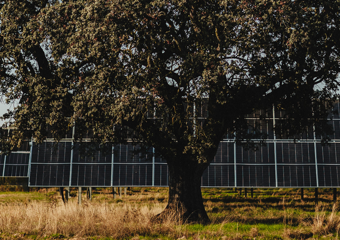
Climate and resource use
Climate and resource use is a priority area in Statkraft’s sustainability strategy. Statkraft’s most important contribution to the climate is to decarbonise society through renewable energy, while...
Read more
Biodiversity
Biodiversity is a priority area in Statkraft’s sustainability strategy. Statkraft’s activities affect biodiversity through land and water use, and the strategy aims to reduce these impacts while...
Read more
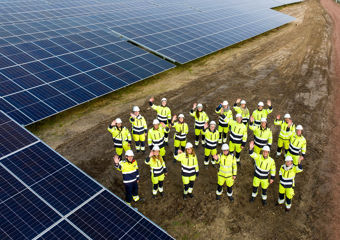
Communities, workers and human rights
Communities, workers and human rights is a priority area in Statkraft’s sustainability strategy. Statkraft’s activities take place in local contexts and involve employees, contractors and supply chai...
Read more
Sustainability strategic enablers
Supply chain, technology and business partners
We integrate sustainability across our supply chain and in how we work with partners, from sourcing and design to market activities. This helps improve performance and drive long-term impact together with suppliers and partners.
Data-driven decisions
We use data and technology to support better decision-making. This enables transparency, improves comparability and helps balance sustainability priorities with business performance.
Skilled and engaged workforce
Our people are key to delivering the strategy. We focus on building the right competence, engagement and tools so sustainability can be integrated into everyday decisions across the organisation.
The UN Sustainable Development Goals (SDGs) and Statkraft
Statkraft’s business has greatest direct impact on:
- Clean and affordable energy (SDG 7)
- Climate action (SDG 13)
- Sustainable cities and communities (SDG 11)
Our contribution to the global sustainability agenda is underpinned by our commitment to responsible business conduct, including to the UN Guiding Principles on Business and Human Rights and the OECD Guidelines for Multinational Enterprises.

What do scope 1, 2, and 3 emissions mean?
Scope 1, 2 and 3 are a way of categorising greenhouse gas (GHG) emissions based on where they occur and how much control a company has over them. They are defined by the GHG Protocol, which is the most widely used global standard for measuring and reporting emissions.
- For a company, scope 1 includes direct emissions from sources that the company owns or controls directly, for example emissions from a power plant.
- Scope 2 includes emissions that a company causes indirectly and is related to energy consumption, for example emissions caused when generating the electricity that is used in a building.
- Scope 3 includes all other indirect emissions, both upstream and downstream, in the company’s value chain, for example emissions related to producing and transporting materials like steel and cement.